WHAT IT DOES
Adds force to your foot
A vacuum servo reduces the effort needed to brake. It does not raise the maximum braking the system can deliver; it just makes that braking reachable with a normal push.
How it worksHOW YOUR BRAKES GET HELP
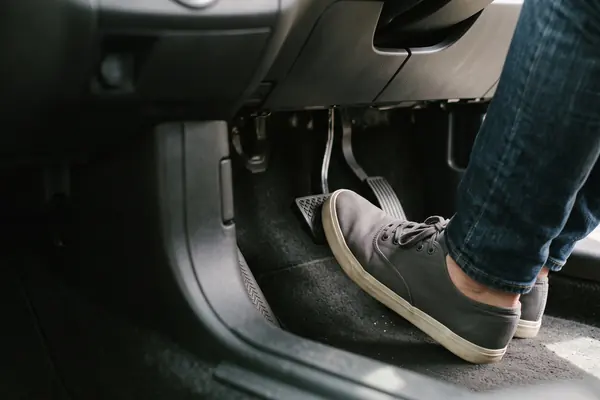
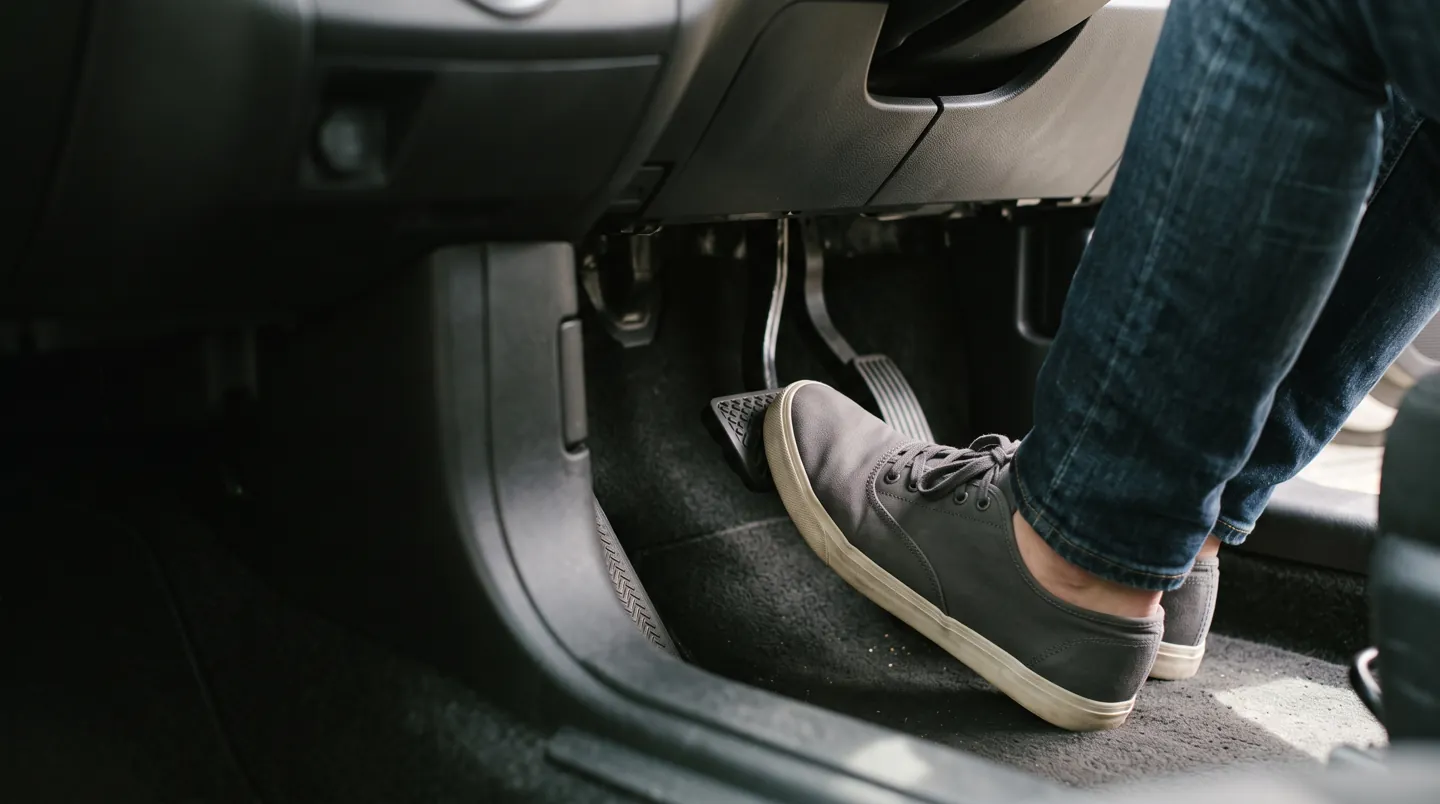
Your foot alone is not doing all the work.
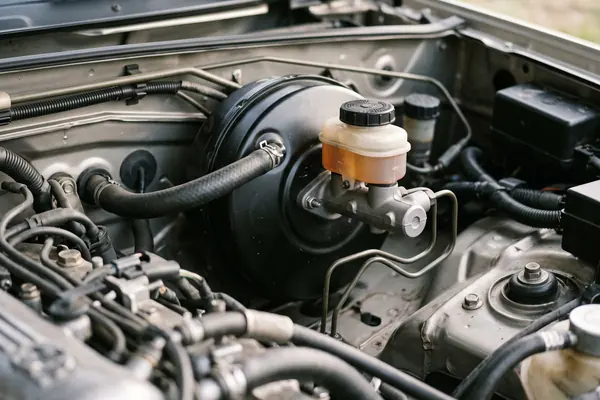
Behind the brake pedal of most cars sits a round drum called the brake servo, or vacuum booster. It uses the difference between engine vacuum and outside air pressure to add force to your push, so strong braking needs only a manageable press.
VACUUM plus air pressure
THE SHORT ANSWER
A servo reduces the effort you need.
The brakes themselves still do the stopping.
WHAT IT DOES
A vacuum servo reduces the effort needed to brake. It does not raise the maximum braking the system can deliver; it just makes that braking reachable with a normal push.
How it worksWHERE IT IS
The servo sits between the pedal and the master cylinder. Many modern cars no longer have one: they use an electric motor unit or brake-by-wire instead.
See the numbersHOW IT IS CHECKED
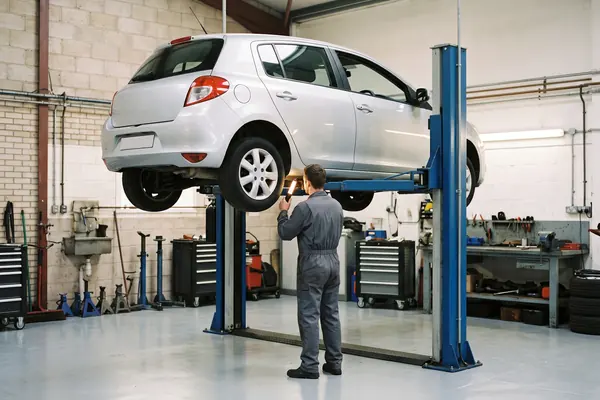
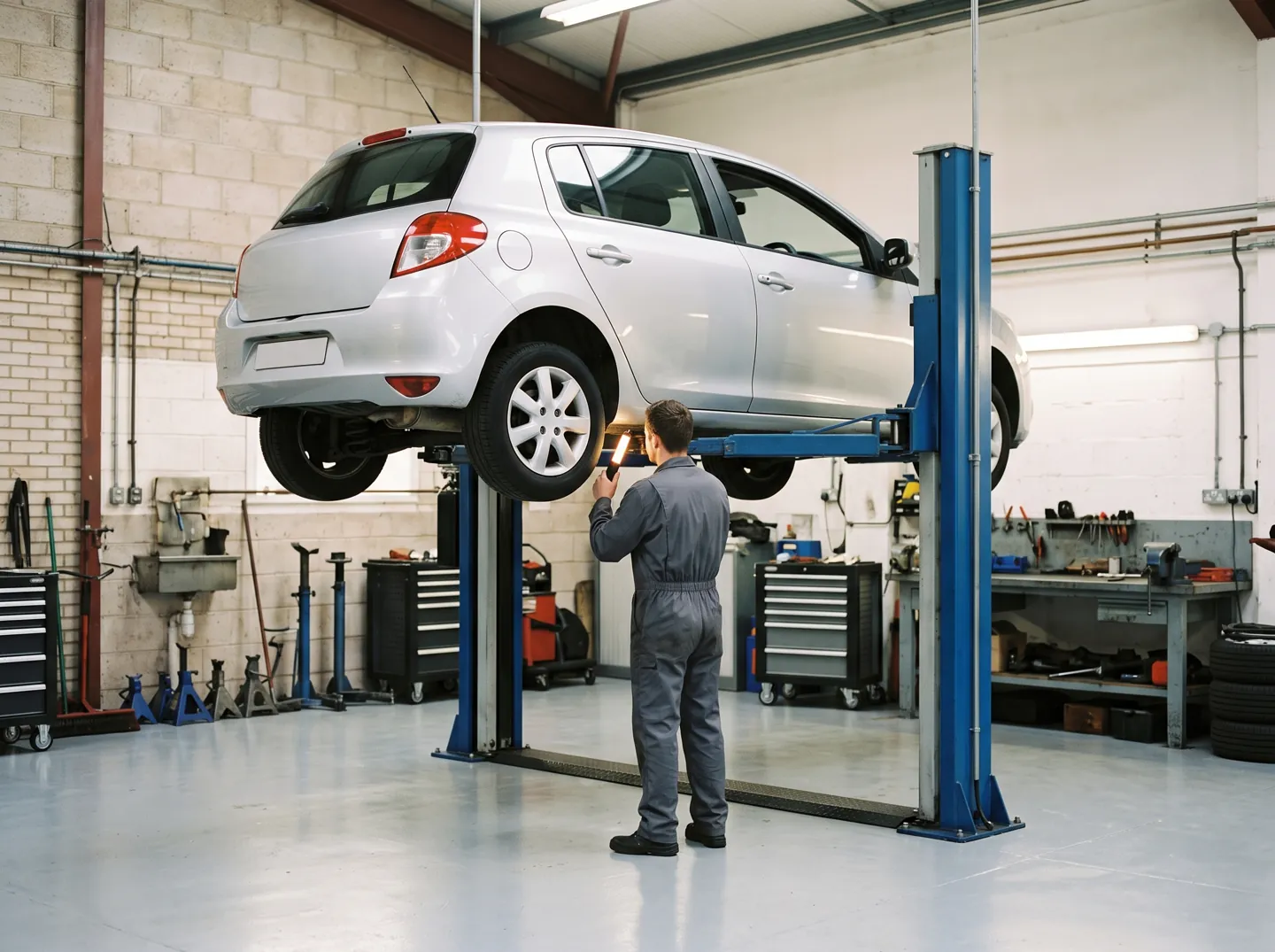
Testers check the servo and master cylinder, including the brake fluid level in a see-through reservoir. A servo that does not work at all is a Dangerous fault.
Read a resultREADING AN MOT RESULT
Pick a finding about the servo or master cylinder to see how the MOT inspection manual categorises it. The bar shows how serious the category is.
Minor faults do not fail the test; Major and Dangerous faults do. GOV.UK says you can drive away after a fail only if your current MOT is still valid and no Dangerous problems were listed.
TWO NUMBERS WORTH KNOWING
One figure on how hard a car must brake,
one on the cost of ignoring a Dangerous fault.
58%
Service brake efficiency for cars first used from 1 September 2010
The MOT measures braking effort against the vehicle's test weight. Cars with brakes on at least four wheels first used from 1 September 2010 must reach 58%; earlier ones 50%.
BRAKE EFFICIENCY · DVSA
£2,500
Maximum fine for driving a car that failed on a Dangerous problem
GOV.UK says you can be fined up to £2,500, banned from driving and given 3 penalty points for driving a vehicle that failed its MOT because of a Dangerous problem.
DANGEROUS FAULTS · GOV.UK
The Highway Code asks drivers to take special care that brakes and steering are working, to know their warning lights, and to check fluid levels at least weekly: low brake fluid may lead to brake failure.
HOW THE TESTER CHECKS IT
This is the servo check set out in the MOT inspection manual. It shows how the servo depends on engine vacuum: with the engine off, its stored help is soon used up.
The tester makes sure the engine is switched off before starting.
Pressing the brake pedal repeatedly depletes the vacuum stored in the servo.
The brake is fully applied and held at a constant pressure.
As vacuum returns, the pedal should be felt to travel further: a sign the servo is adding force again.
INSIDE THE DRUM
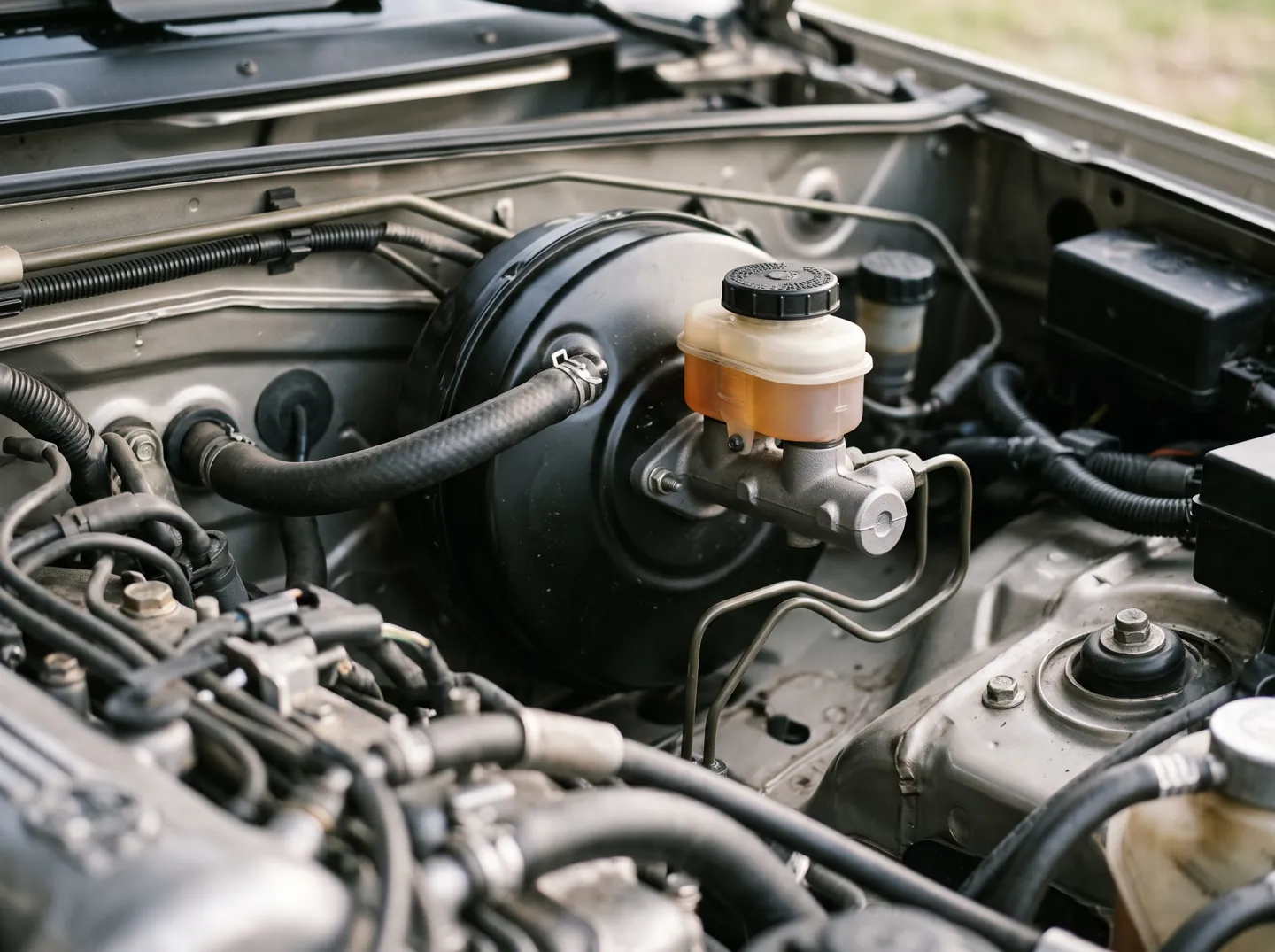
A vacuum servo has two chambers separated by a flexible diaphragm. With the brake released, vacuum from the intake manifold or a dedicated pump sits on both sides. When you press the pedal, Bosch explains, a valve lets outside air into the rear chamber, and the pressure difference pushes the diaphragm towards the master cylinder, adding to the force of your foot.
A reaction disc feeds back a share of the force so the pedal still feels proportional. Larger vehicles may use a tandem servo with four chambers instead of two. Without vacuum you can still brake, but you must push much harder.
Questions
It is a sealed unit, often called a vacuum brake booster, that sits between the brake pedal and the master cylinder. It uses engine vacuum and outside air pressure to reduce the effort the driver needs to brake.
The MOT inspection manual sets out the check: with the engine switched off, press the brake pedal repeatedly to use up the stored vacuum, fully apply the brake and hold it at a constant pressure, then start the engine. The pedal should be felt to travel further as the servo starts adding force again. A servo that is defective or ineffective is a Major defect, and one that is inoperative is Dangerous.
No. Braking is still possible without assistance, but the pedal needs much more effort. That is why the MOT treats a servo that does not work at all as a Dangerous defect.
No. The MOT inspection manual notes that many modern vehicles have no vacuum servo; they use electronic motor assistance or full brake-by-wire systems instead, and the tester checks accordingly.
The servo's stored vacuum is used up after a few presses, so there is no assistance left. The MOT check relies on this: when the engine starts, the pedal should travel further as the help returns.
Only if your current MOT is still valid and no Dangerous problems were listed, says GOV.UK. A vehicle you drive must still meet minimum roadworthiness standards at all times.
Sources
ABOUT THIS NAME
doodleservos.com is part of the DoodleSale portfolio. It isn't in an auction right now, but you can ask about leasing it.